The estate is made in stages
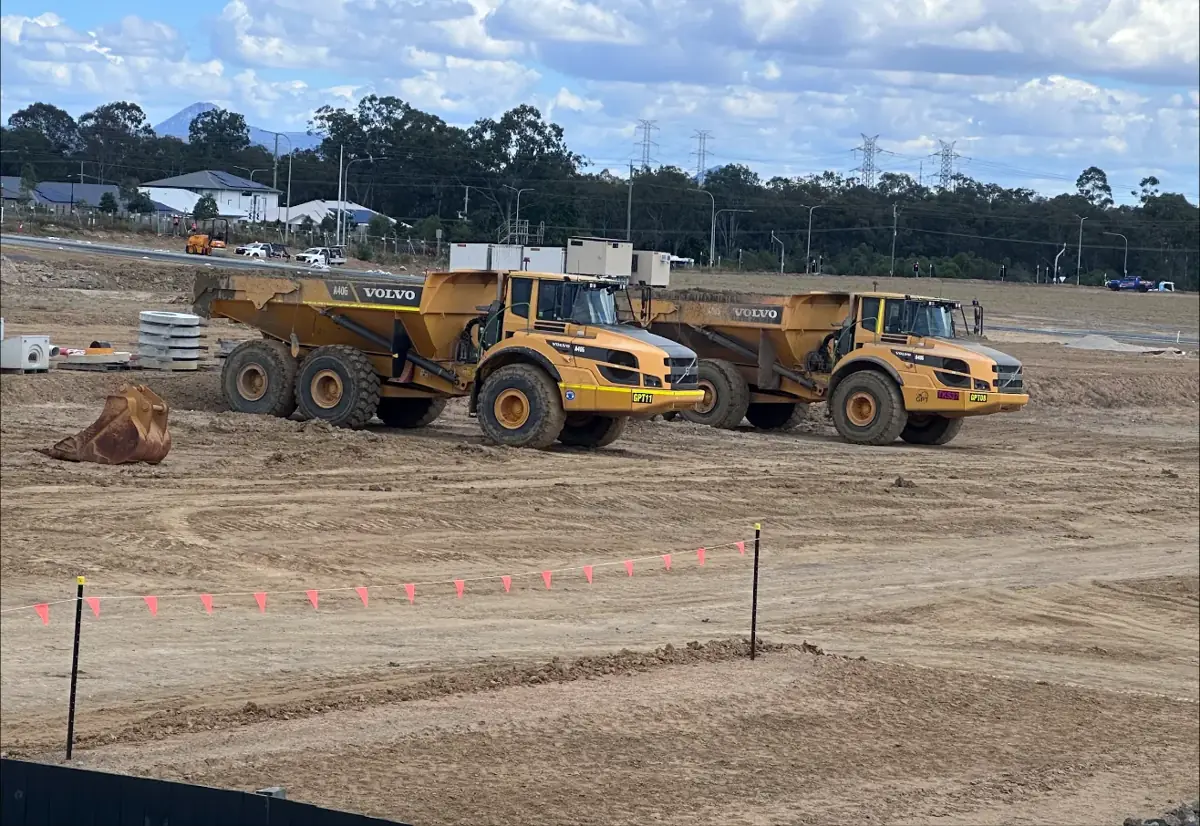
Growth-corridor estates are released in stages. While one stage is being lived in, the next is still dirt: roads cut, services laid, lots shaped.
Buying in an early release usually means a lower land price, but more time living next to construction.
The waiting period
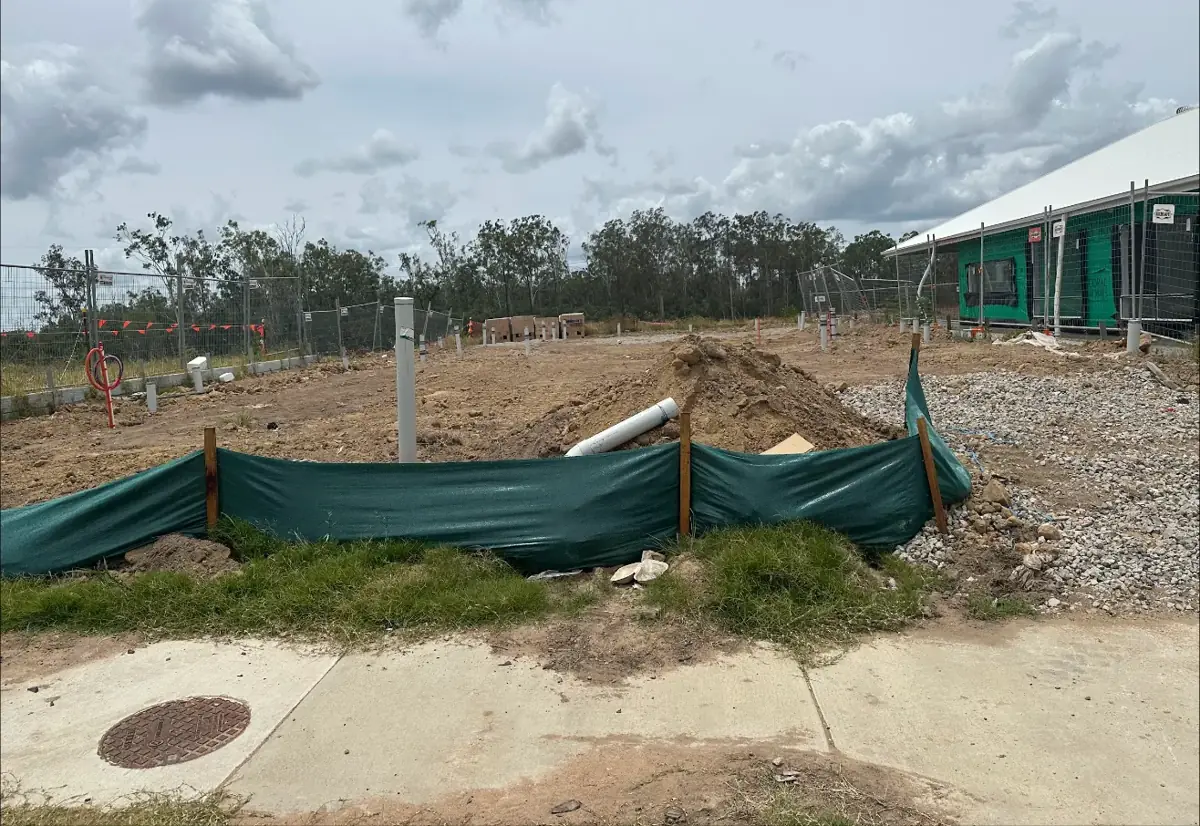
After the land settles, there is often a gap of weeks or months before construction starts: finance, approvals, estate covenant checks and the builder’s schedule all have to line up.
Interest on the land loan starts on settlement day. On a $380,000 land loan at 6.5%, each month of waiting costs about $2,060.
A dated pre-construction checklist shows what the job is waiting on, and whether it is waiting on the customer or the builder.
Slab and frame go up quickly
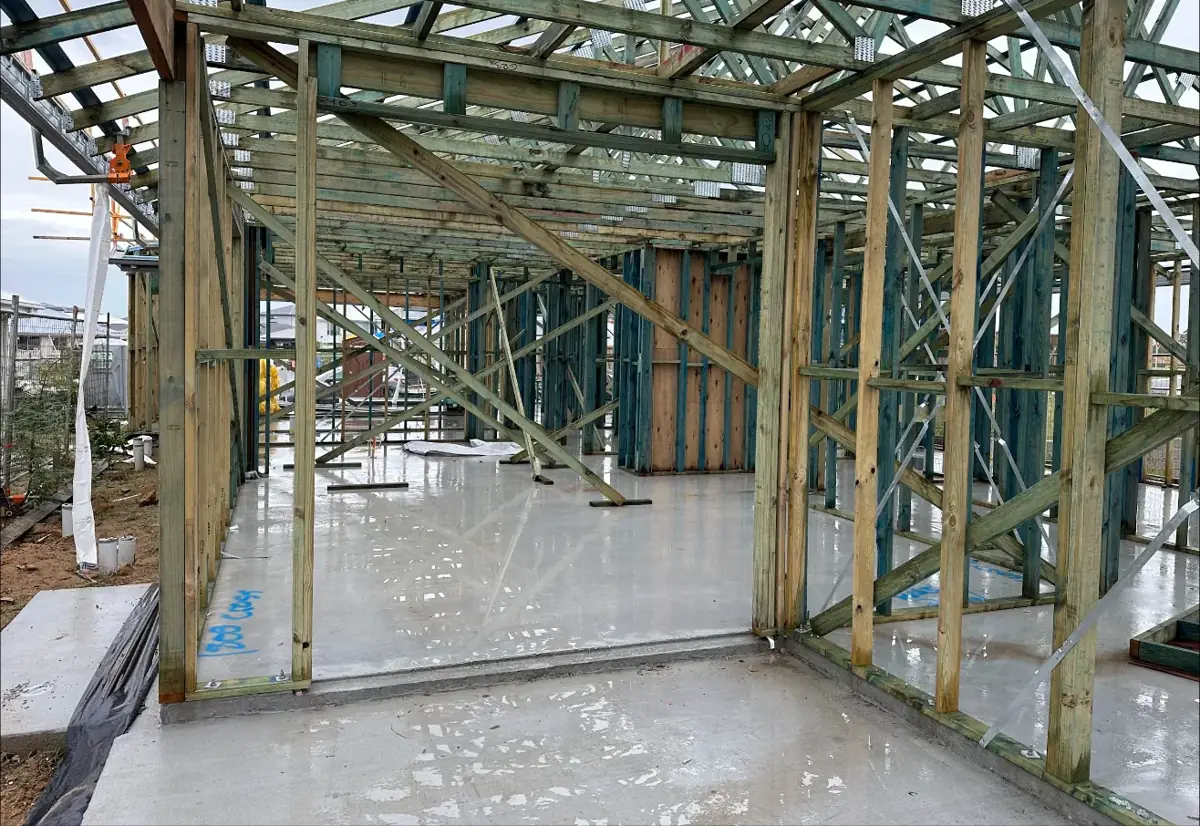
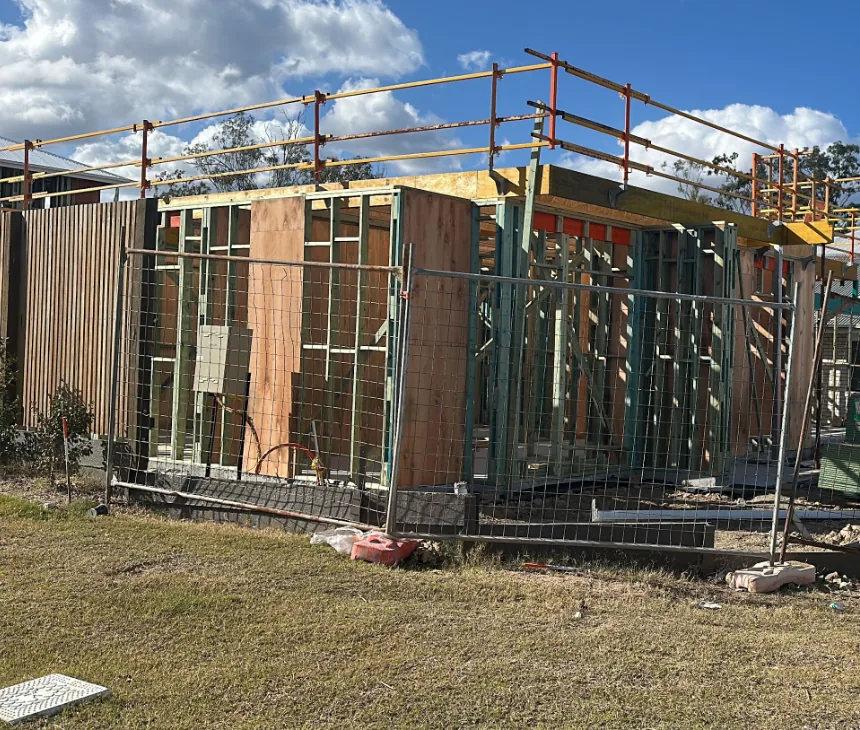
Once construction starts, the slab, then wall frames and trusses, can go up within a few weeks. The frame stage is usually 20% of the build price, paid once the frame inspection passes.
Site access is normally by appointment with the supervisor, so many customers follow progress from the footpath.
A supervisor ticks the milestone and adds a photo from the phone, and the customer sees it the same day.
Finished inside, not yet outside
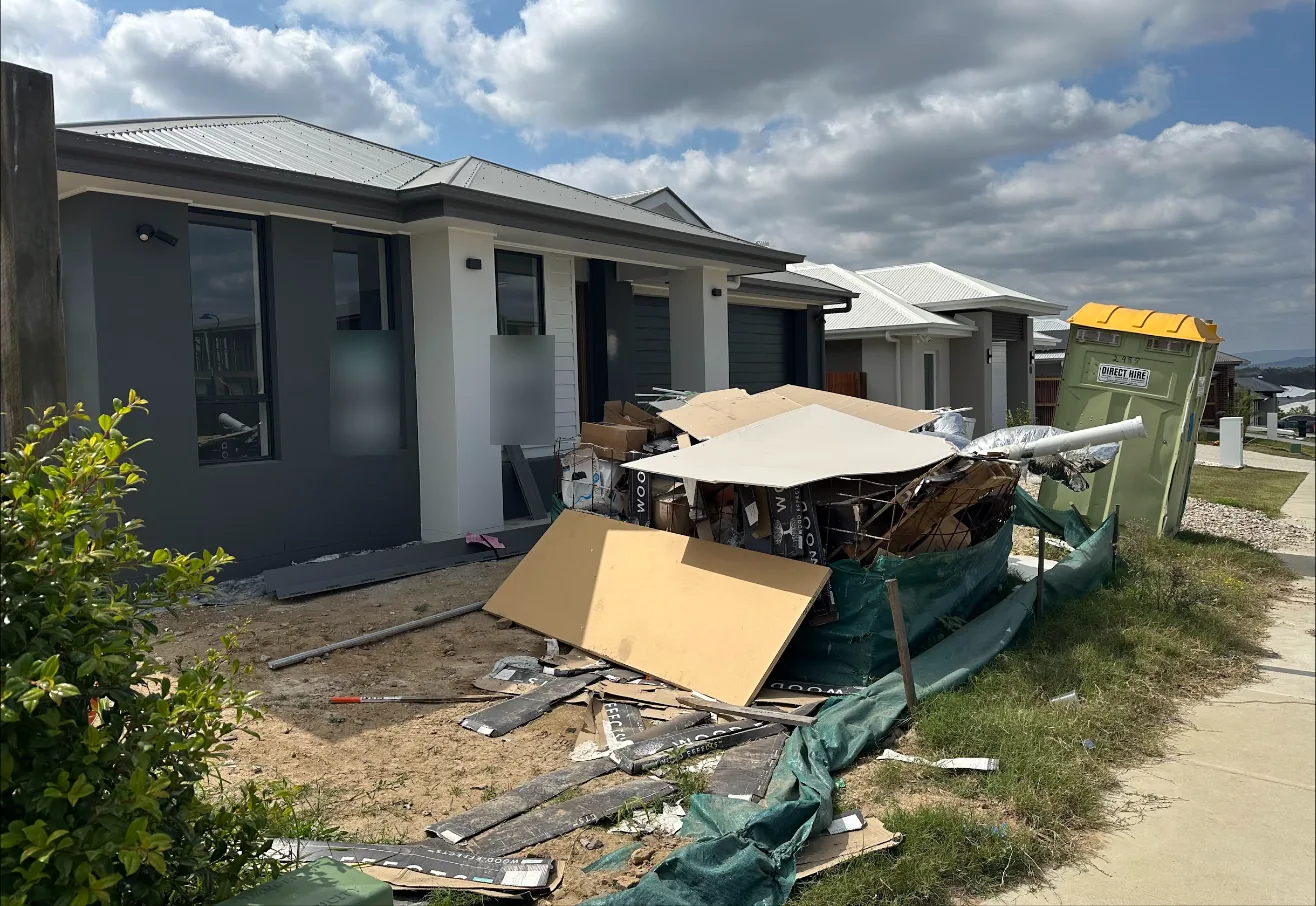
At practical completion the house is finished, but the site often still has the builder’s rubbish, a site toilet and silt fences. Handover follows after the final inspection and certificate.
Practical completion is the last stage claim. Lenders usually want it as a separate invoice with the final building certificate.
A shared pre-handover checklist, room by room, and the certificates in one place for the lender.
Keys, and a bare front yard
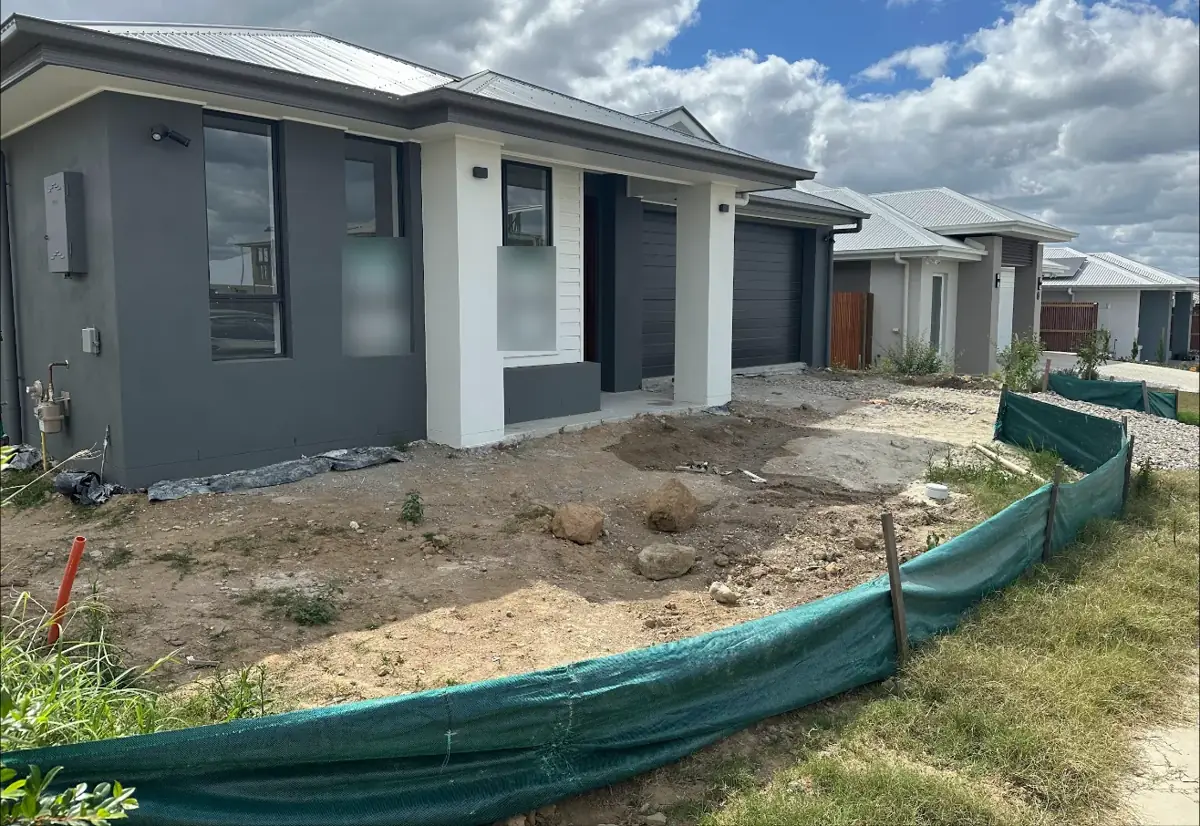
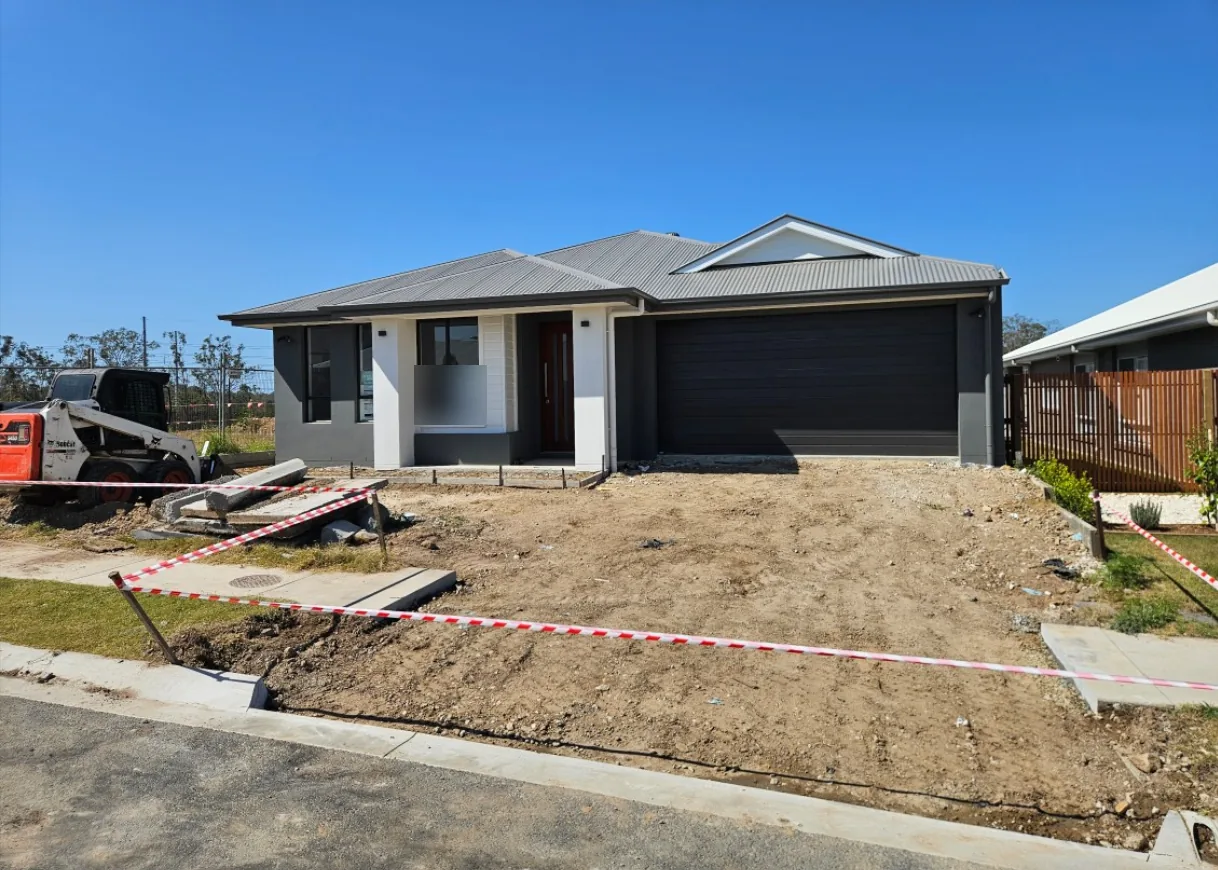
The house is the builder’s job. The driveway, paths, fencing, landscaping and letterbox usually are not.
The work after the keys
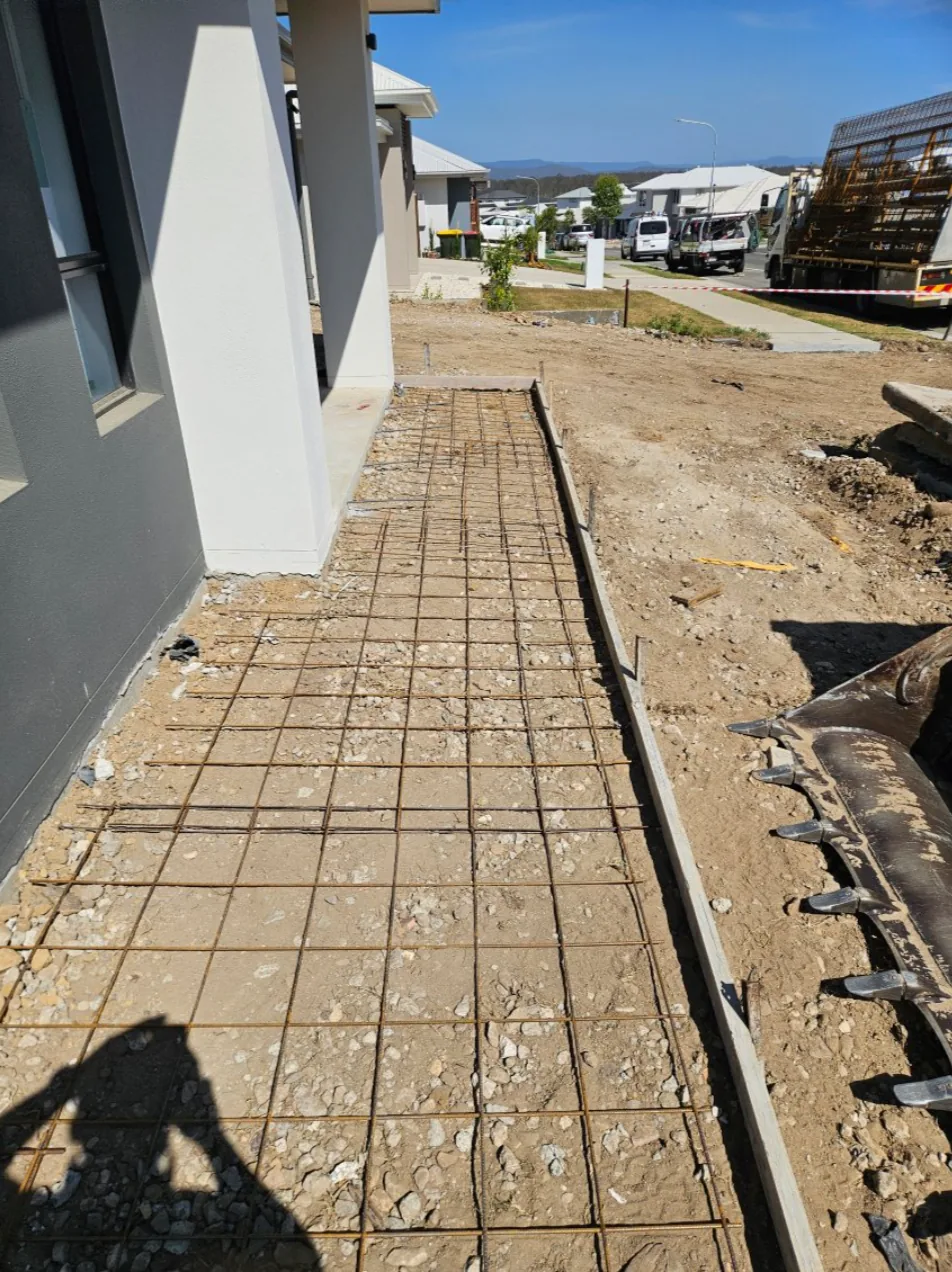
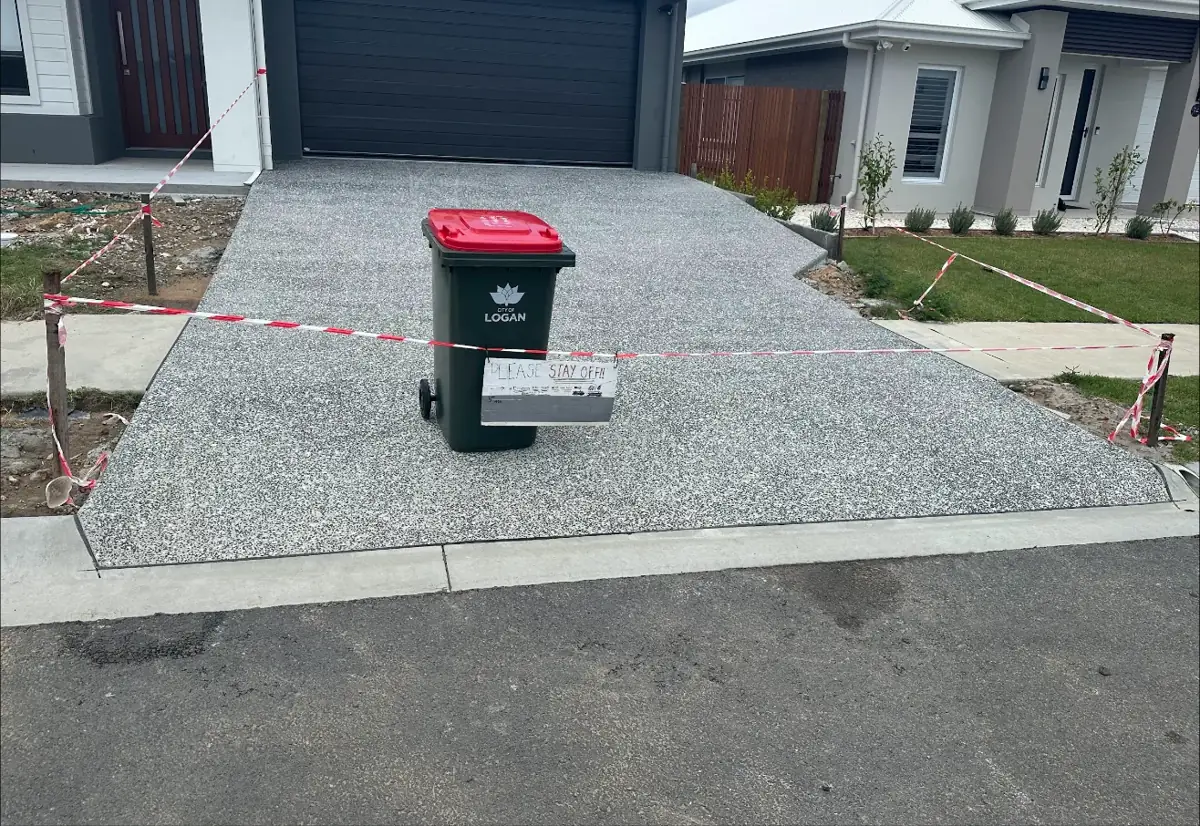
External works typically cost $45,000–$60,000 for a single-storey house and are paid from savings. See the guide to external costs.
Owners usually coordinate these trades themselves, so an early, confirmed handover date matters.
Owners can share dates and site notes with their own trades and their property manager.
The payment schedule
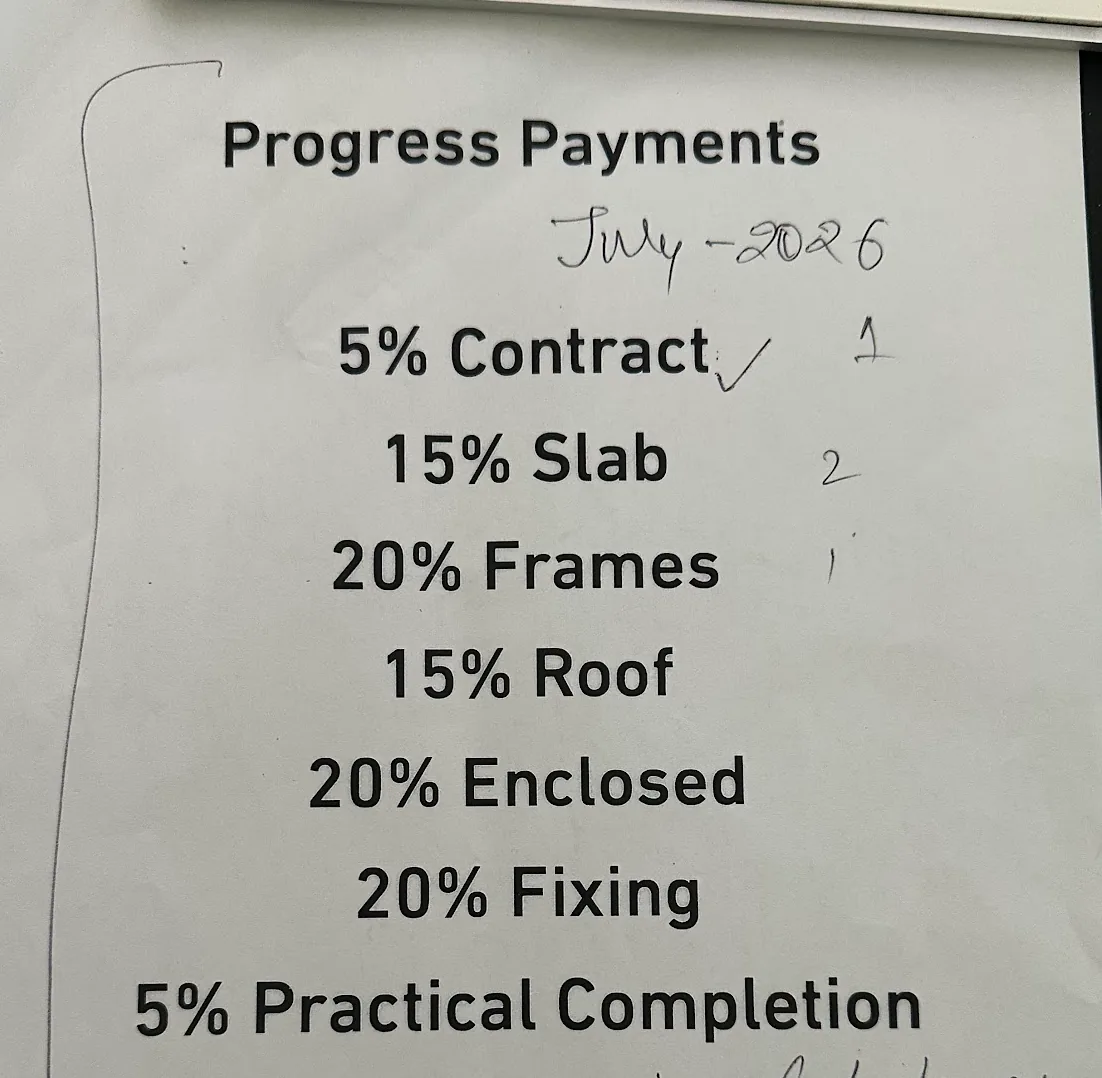
Every build runs on a schedule of stage payments. Many customers still track it on paper, ticking each stage as it is paid.
Each claim goes from the builder to the owner to the lender, often with photos attached to show the stage is done.
Each stage claim, its status, its receipt and a lender pack in one place.
Defects and repairs
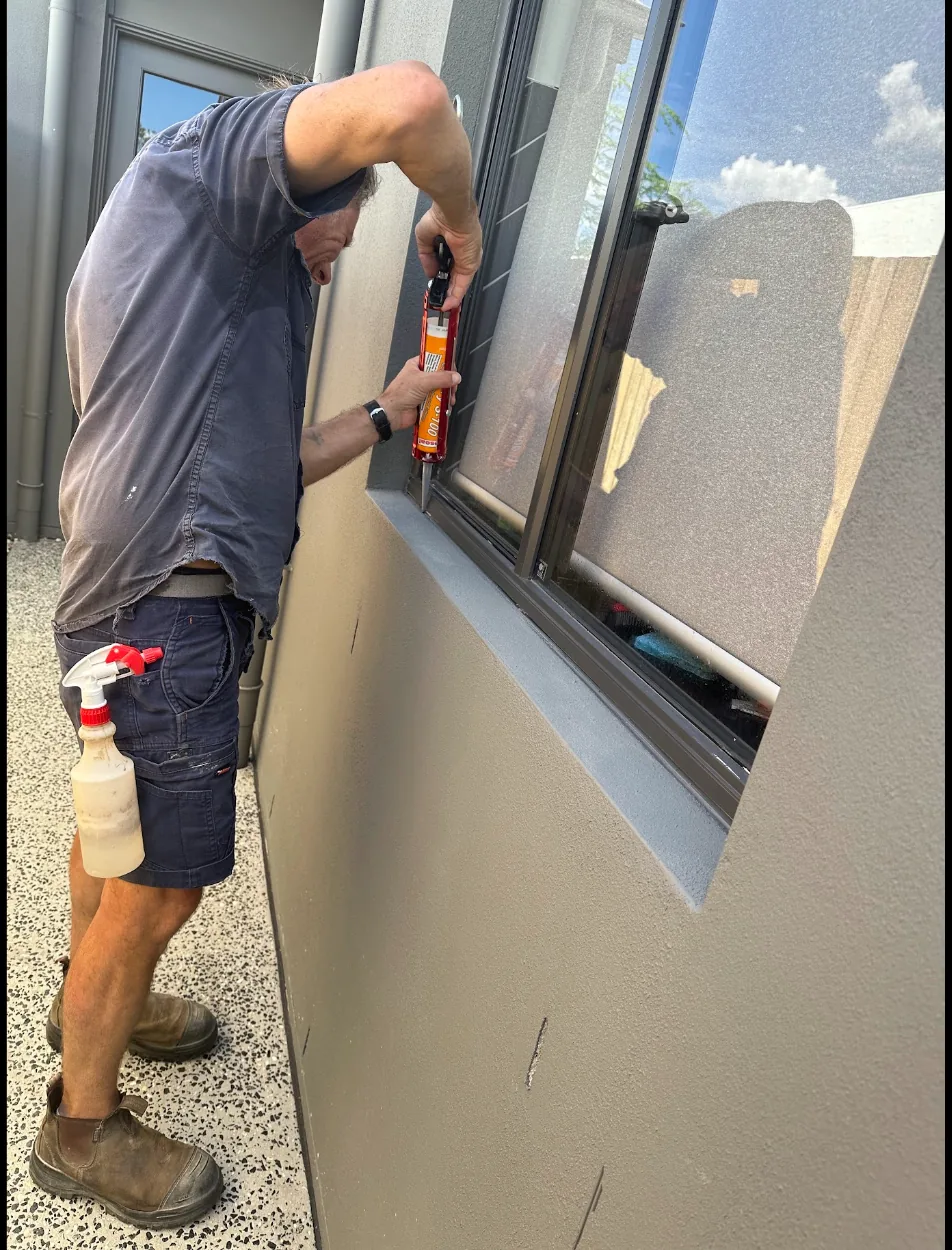
Small defects are common in the first months: window seals, doors, paint and fittings. Builders usually collect them in maintenance periods and send trades to fix them.
Items not noted at the pre-handover inspection can be harder to claim later, so it pays to keep a copy of that inspection.
Each defect gets a reference, an assigned trade, a target response time and the builder’s decision with its reason. It closes when the owner signs off.
The estate keeps growing
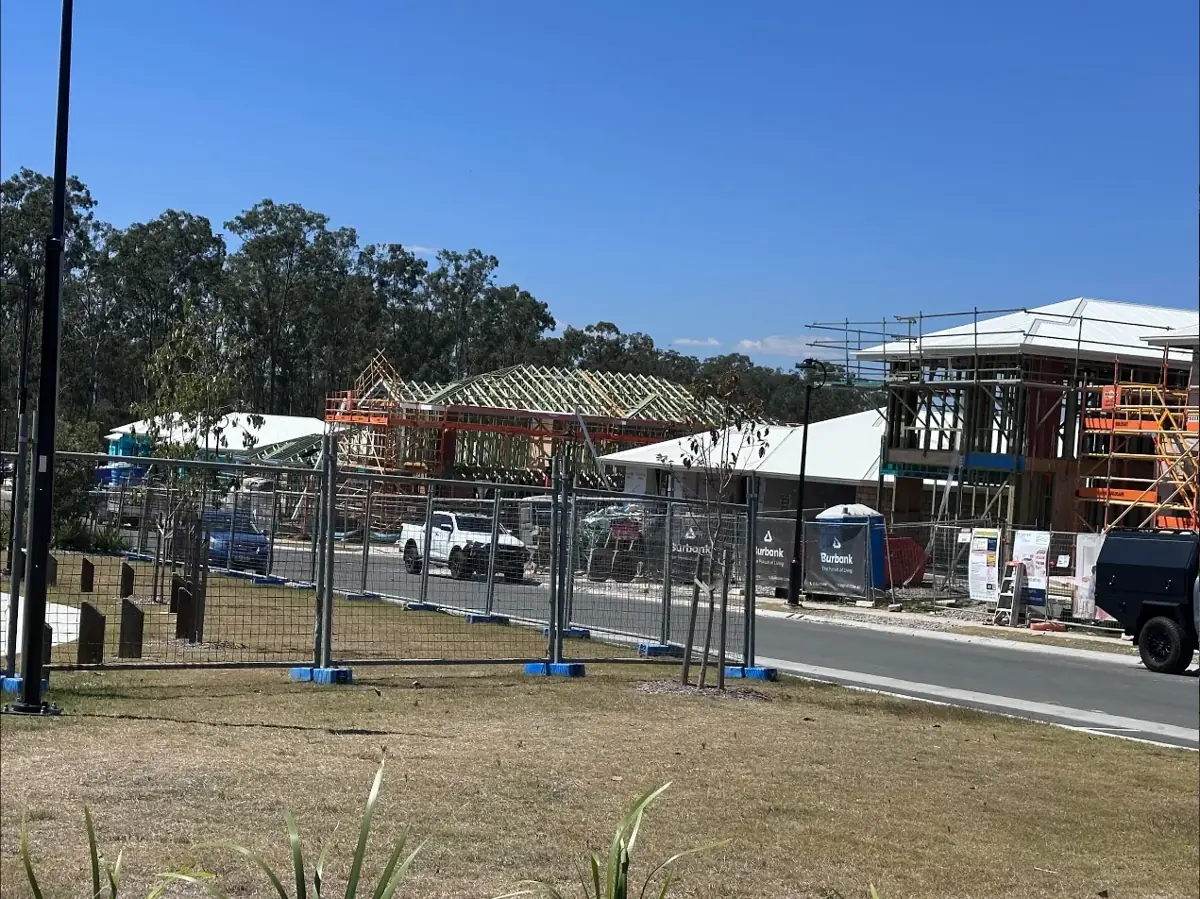
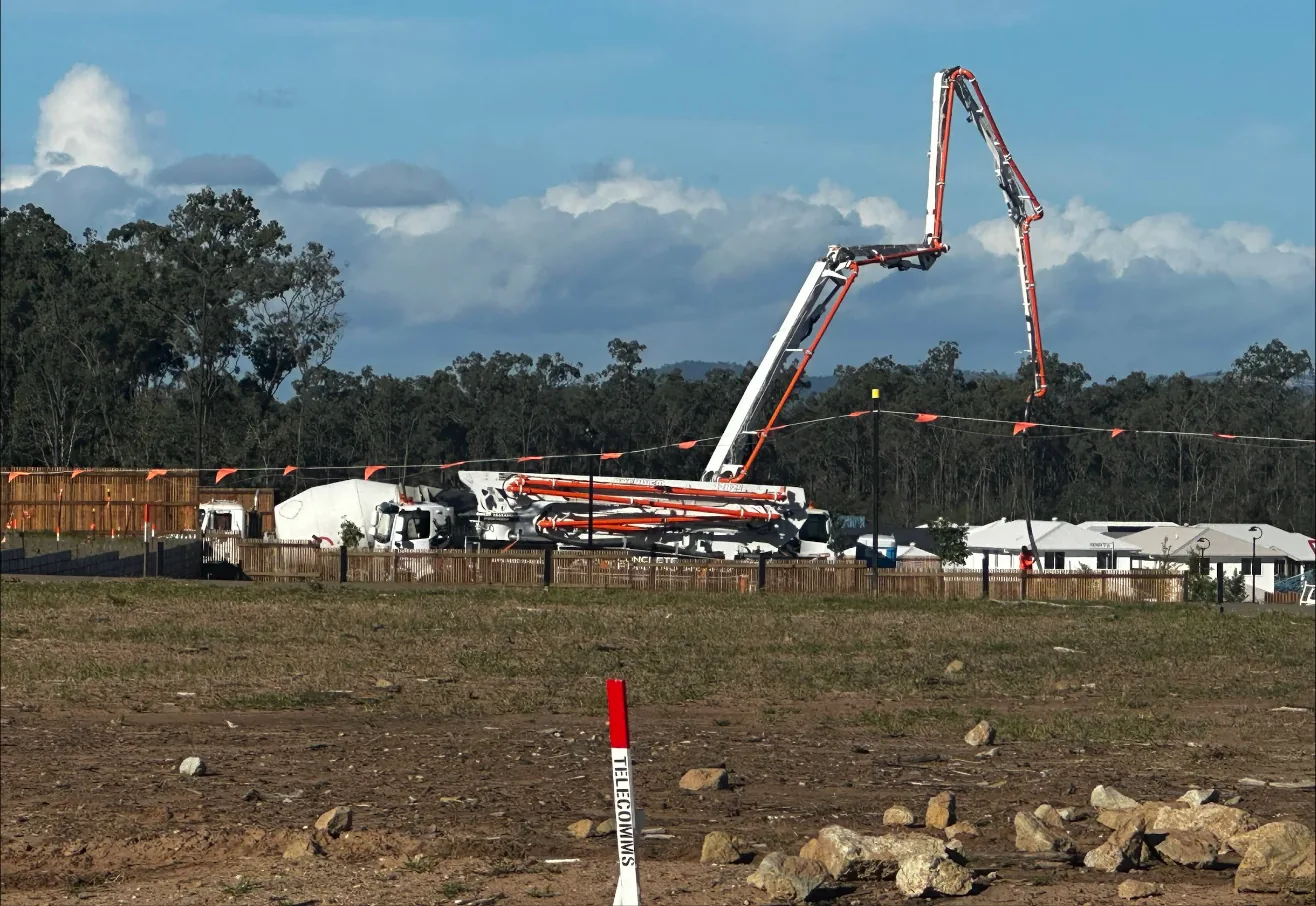
The next streets go through the same steps: slabs poured, frames wrapped, families waiting for news.
Photos from south-east Queensland estates, 2025–2026. Builder signage has been blurred and street names removed. Related: External costs after handover and Property Construction Analysis.
Everything on this page is for educational and informational purposes only. Costs, prices, interest rates, rules and government schemes change over time, and the figures shown are approximate examples that may already be out of date. Nothing here is financial, tax, legal, building or professional advice, a recommendation or a quote. Do your own research, get written quotes and seek advice from qualified professionals before making any decision.